Imagine dazzling streets adorned with lamps and lights, smiling families preparing sweets and lighting diyas – Diwali is a must-see!!
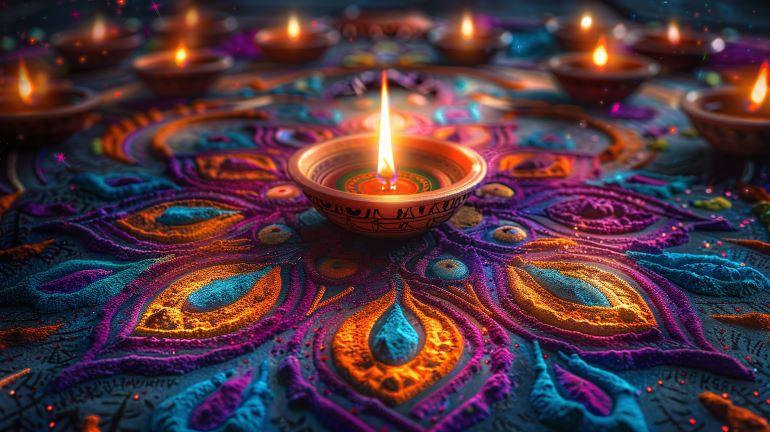
Close your eyes and imagine dazzling streets adorned with lamps and lights, smiling families preparing sweets and lighting diyas – small clay oil lamps – to welcome the divine and celebrate the victory of light over darkness. Many homes are decorated with rangoli, patterns on the floor, while evening rituals and fireworks light up India's festive skies. The atmosphere is full of joy, singing and dancing.
Diwali, also known as the Festival of Lights, is one of the most important and popular Hindu festivals. It is celebrated in India and among Indian communities around the world. The festival usually lasts five days, and its date changes each year because it is determined by the lunar calendar. It is usually celebrated in October or November.
During Diwali, lamps are lit and fireworks are set off, symbolising the victory of light over darkness and good over evil. The festival usually lasts five days, with each day having its own specific rituals and significance. People decorate their homes with lights, lamps (diyas) and flowers. Families offer prayers and perform rituals in honour of the deities, especially the goddess Lakshmi, who symbolises prosperity. During Diwali, people exchange gifts and traditional sweets, and celebrations often include fireworks that create a dazzling atmosphere. Above all, Diwali is a time to share joy with family and friends and gather for meals together.

Diwali has its roots in Indian culture and traditions, and its origins are linked to several myths and legends that vary across India's regions. The best-known legend tells of Prince Rama, who defeated the demon king Ravana and freed his wife Sita. Diwali celebrations symbolise Rama's return to his kingdom of Ayodhya, where the people welcomed him with lights and lamps (diyas). Diwali also honours the goddess Lakshmi, who symbolises prosperity and wealth. The celebrations are associated with the arrival of winter and the start of a new harvest, making it a time for blessings and prosperity. In Buddhism and Sikhism, Diwali is celebrated in honour of various historical events, such as the release of Guru Hargobind, the sixth Sikh guru, from prison. Overall, Diwali is a time of joy, family togetherness and hope, and its celebration has become an important part of the cultural heritage of many Indian communities.

Many flavourful traditional dishes, both sweet and savoury, are prepared during Diwali. Here are some popular foods associated with the festival:
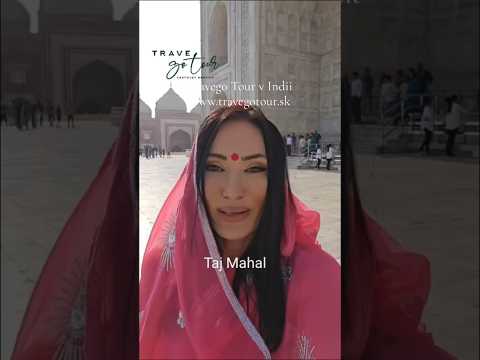
Visit India with us and experience many more traditions and customs you won't see in Europe.